
Tissue · RESEARCH GRADE
BPC-157
10mg
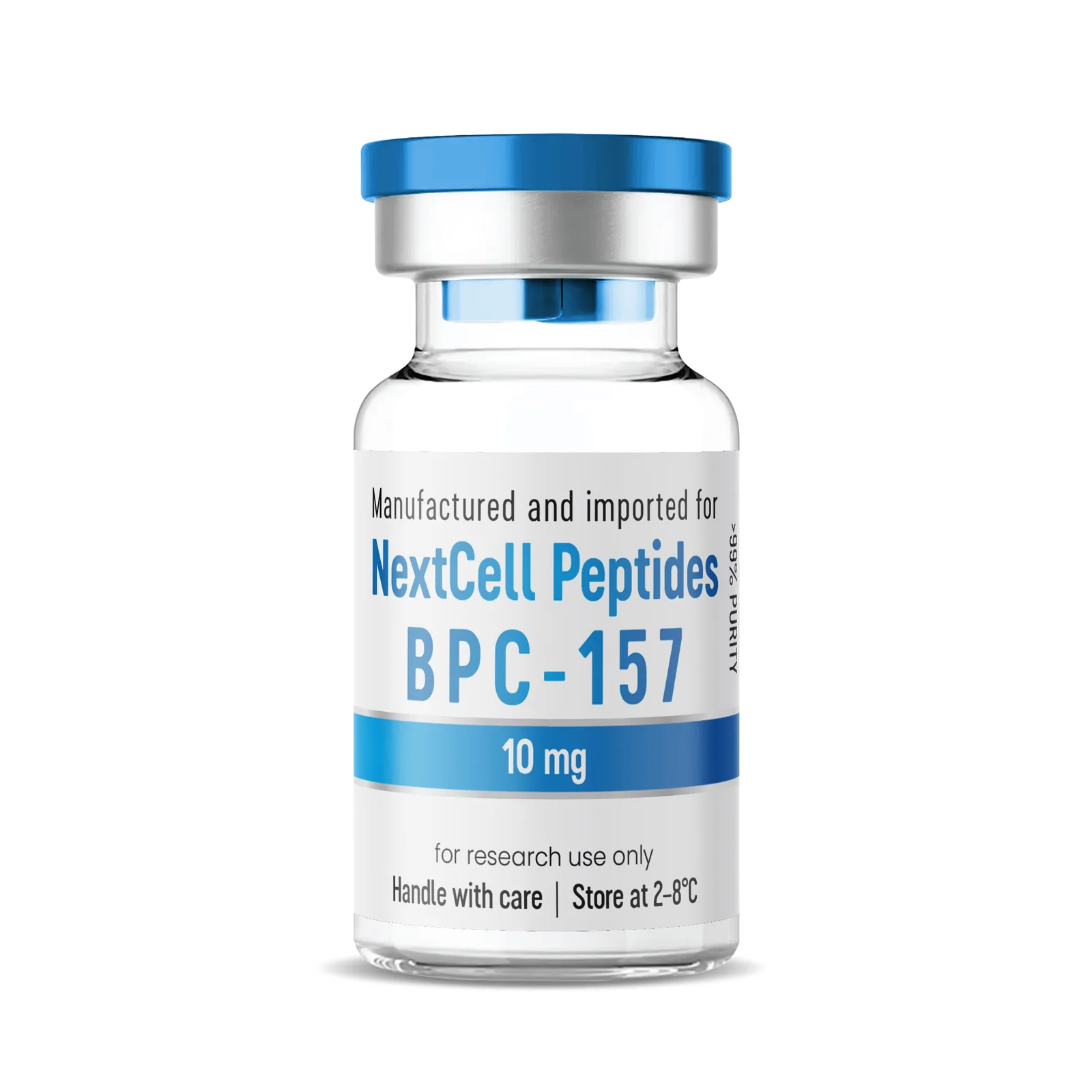
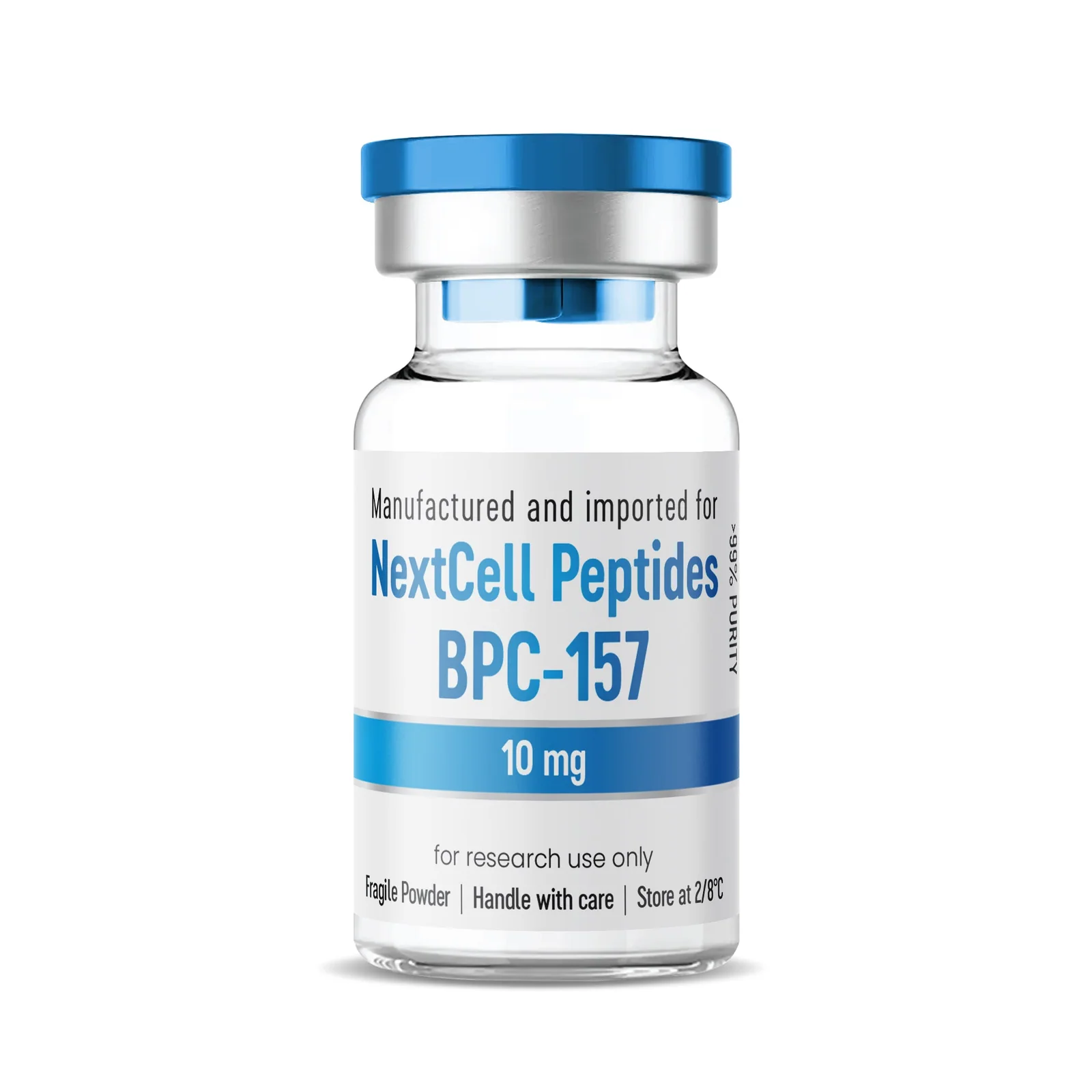
High-purity BPC-157 (Body Protection Compound-157) 10 mg for laboratory research. Research Grade lyophilized peptide with ≥99% purity (HPLC), batch-tested, professionally labeled, and supported by a Certificate of Analysis (COA).
- Purity
- ≥99%
- Molecular weight
- 1419.53 g/mol
- Sequence
- Gly-Glu-Pro-Pro-Pro-Gly-Lys-Pro-Ala-Asp-Asp-Ala-Gly-Leu-Val
- Storage
- Store at -20°C before reconstitution. Stable for up to 2 years when stored properly in the original packaging protected from light. After reconstitution, store at 2–8°C and use within the recommended timeframe for your research protocol.
BPC-157 10 mg (Body Protection Compound-157)
Overview
BPC-157 (Body Protection Compound-157) is a synthetic pentadecapeptide consisting of 15 amino acids. It is based on a peptide sequence associated with proteins found in gastric juice and has become a widely investigated research peptide in laboratory studies exploring peptide biology, cellular processes, and molecular signaling.
BPC-157 is investigated in experimental research models involving areas such as cell signaling, cell migration, tissue biology, angiogenesis-related pathways, and peptide interactions. Ongoing research continues to examine its biochemical characteristics and molecular mechanisms under controlled laboratory conditions.
FutureCell Peptides supplies Research Grade BPC-157 10 mg as a high-purity lyophilized peptide manufactured under controlled quality standards. Each vial is clearly labeled to support product identification and laboratory traceability.
Product Specifications
Product: BPC-157 (Body Protection Compound-157)
Quantity: 10 mg
Appearance: White to off-white lyophilized powder
Purity: ≥99% (HPLC)
Grade: Research Grade
What Is BPC-157?
BPC-157 (Body Protection Compound-157) is a synthetic peptide composed of 15 amino acids and is widely used as a research compound in experimental peptide studies.
Laboratory and preclinical research involving BPC-157 has explored its interactions with various cellular and molecular pathways. Areas of scientific investigation include cell migration, angiogenesis-related signaling, inflammatory signaling pathways, gastrointestinal biology, and tissue-related cellular processes.
Research involving BPC-157 remains experimental, and studies continue to investigate its biochemical properties, molecular interactions, and mechanisms under controlled laboratory conditions.
Common Laboratory Applications
BPC-157 is investigated in laboratory research involving:
Peptide biology
Cellular signaling
Molecular and cellular biology
Cell migration
Cell culture research
Protein interactions
Tissue biology
Angiogenesis-related pathways
Inflammatory signaling pathways
Gastrointestinal research models
Experimental peptide research
Biochemical pathway research
The specific application depends on the laboratory model, research protocol, and experimental objectives.
Research Areas of Interest
Laboratory and preclinical research involving BPC-157 may explore:
Research into cell migration and cellular signaling
Studies of biological pathways associated with tissue organization
Research into angiogenesis-related mechanisms
Investigation of inflammatory signaling pathways
Gastrointestinal biology and experimental gastrointestinal models
Cellular protection and stress-response mechanisms
Molecular interactions relevant to peptide biology
These areas represent subjects of experimental investigation and should not be interpreted as established therapeutic effects or approved clinical applications of BPC-157.
Why BPC-157 Is Studied
BPC-157 has attracted scientific interest due to its peptide structure and its use across a range of experimental research models.
Researchers continue to investigate its biochemical properties and interactions with cellular systems to better understand peptide signaling, molecular pathways, and tissue-related biological processes under controlled laboratory conditions.
Ongoing research may provide further insight into the molecular mechanisms associated with BPC-157 and related peptide compounds.
Storage & Handling
Store refrigerated at 2–8°C.
For extended storage, keep frozen at −20°C.
Protect from moisture, excessive heat, and direct light.
After reconstitution, handle using appropriate laboratory procedures and avoid repeated freeze–thaw cycles whenever possible to help maintain sample integrity.
Choosing Research Grade BPC-157
When evaluating research peptides, consider factors beyond reported purity.
Important considerations include:
HPLC purity testing
Batch consistency
Product labeling
Certificate of Analysis (COA) availability
Manufacturing standards
Appropriate storage recommendations
Packaging integrity
These factors can support product identification, laboratory documentation, and consistent research workflows.
Frequently Asked Questions
What is BPC-157?
BPC-157 (Body Protection Compound-157) is a synthetic pentadecapeptide consisting of 15 amino acids. It is investigated in laboratory research involving peptide biology, molecular biology, cellular signaling, and related biological processes.
What is BPC-157 studied for?
BPC-157 is investigated in laboratory and preclinical research involving cellular signaling, cell migration, tissue biology, angiogenesis-related pathways, gastrointestinal research models, inflammatory signaling pathways, and other molecular processes.
Is research involving BPC-157 experimental?
Yes. Research involving BPC-157 remains experimental. Laboratory and preclinical studies investigate its biochemical properties and molecular interactions under controlled research conditions.
What does Research Grade mean?
Research Grade indicates that the product is supplied for laboratory research and analytical applications. It is not manufactured or supplied as a pharmaceutical product.
How should BPC-157 be stored?
Store the lyophilized peptide at 2–8°C. For extended storage, freezing at −20°C is recommended. Protect the product from moisture, excessive heat, and direct light.
Is a Certificate of Analysis (COA) available?
Yes. Batch-specific Certificates of Analysis (COAs) are available to support product verification and laboratory documentation.
Research Use Only
This product is supplied exclusively for laboratory research and analytical purposes.
It is not intended for human consumption, veterinary use, therapeutic applications, diagnostic procedures, or use as a pharmaceutical product.